More than analytics

Medijska forenzika is a research centre bringing together experts in the analysis of media, audiences and information. We combine qualitative and quantitative methods to deliver reliable, contextualised insights into media content and its impact.

Services

Mc

Media content analysis

With more than 30 years of experience in media monitoring, we analyse how specific topics, actors and events are represented in the media. Our focus is on the tone of reporting, dominant narratives and argumentation. We have developed a reliable and comprehensive system for collecting TV, print and online sources, with the aim of offering more than traditional press clipping.
Fc

Fact-checking analysis

Our team, with eight years of experience in fact-checking, conducts verification of information accuracy in the media and public sphere. Our analysis includes media articles, official documents, as well as photo and video forensics. We identify manipulations across different thematic areas.
Ma

Media archive analysis

We have an extensive media content archive, which for television programmes dates back to 2004. This database enables longitudinal analyses, comparisons of reporting over time and the reconstruction of media narratives during key socio-political moments.
Os

Online surveys

We have developed our own online platform for conducting surveys and testing audience attitudes. Through quantitative research, we measure levels of information awareness and resilience to disinformation, enabling a deeper understanding of how audiences respond both to media content and to major social developments.
Fg

Focus groups

Focus groups enable us to understand how audiences interpret specific ideas,processes, events and brands, as well as media content. Through moderated discussions with carefully selected participants, we analyse reactions to specific topics, messages or formats, as well as patterns of thinking, emotions and argumentation.
Et

Eye-tracking analysis

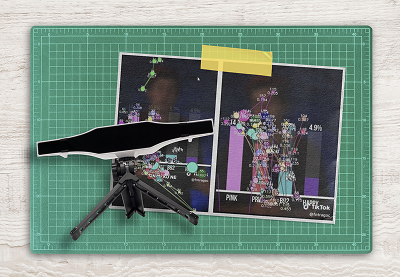
Eye-tracking analysis enables precise monitoring of audience attention while they are exposed to specific media content, whether informational, entertainment-based or advertising-related. We use the Gaze point GP3 system, which records fixations and saccades and enables the creation of heat maps and scan-path visualisations.

Research Examples

Frequency Analysis of Political Actor Appearances

How balanced is media coverage of the campaign?

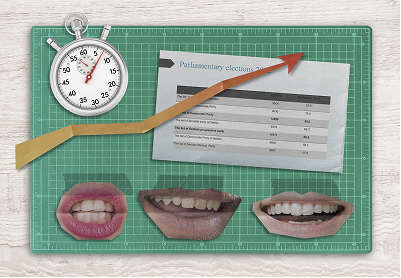
Our extensive database, which dates back to 2004, allows us to conduct longitudinal analyses of pre-election campaigns in Serbia. In this way, we examine how open the media space has been during this important period to different voices, and how well-calibrated it is for objective voter information.

We compared data from the 2012 parliamentary elections to the present, tracking the airtime coverage of the Government of Serbia, the President of Serbia, political parties, judicial actors, and international actors. At the same time, we examined the proportion of reporting on these actors that was affirmative — meaning, for political actors: in what light could the audience come to know them through their TV screens?

In the political arena, participants often have a mistaken impression of their own media presence. Our corpus is comprehensive and allows us to determine, down to the minute and second, which actors the media favored.
Eye-Tracking Analysis of the Online Platform

What does the audience linger on, and what do they skip?

At the end of 2024, we conducted an analysis aimed at examining how audiences navigate the FakeNews Tragač online platform. We invited 30 participants and used the Gazepoint system to track their eye movements as they read texts, viewed images and video explainers, and then freely scrolled through the site.

We obtained a precise picture of what draws the observer's eye: is the presenter's face a universal "magnet," or are there tricks that can compete with a face? Should subtitles be used if they add no new information relative to what the presenter says aloud? How should elements be arranged on the site so that they follow the audience's expected logic and allow them to navigate quickly?

The advantage of this type of research is that it doesn't require a large number of participants: after a few repetitions, it becomes clear that audiences — with no major differences by gender or age — share a similar viewing logic.
Hate Speech Analysis through Paired Lexeme Observation

How do discriminatory narratives spread in the media?

The database at our disposal is searchable by word, meaning all monitored television content is automatically transcribed, with transcripts then checked to minimize the possibility of error. This vast database allows us to see how certain lexemes are paired together, and thereby how certain discriminatory metaphors spread.

We were interested in how political opponents are linked, in media discourse, to fascist and Ustasha methodology. By searching the corpus of nationally broadcast television, we identified where the target lexemes appeared in close proximity to one another, and then used advanced tools to categorize the examples.

We remain open to AI-based solutions, but are equally committed to strict quality control: we manually reviewed all outputs, and based on the errors identified, developed more precise instructions to make future similar searches more accurate.

Pricing

View our full price list, or feel free to contact us so we can prepare the most competitive offer tailored to your needs.

The Team

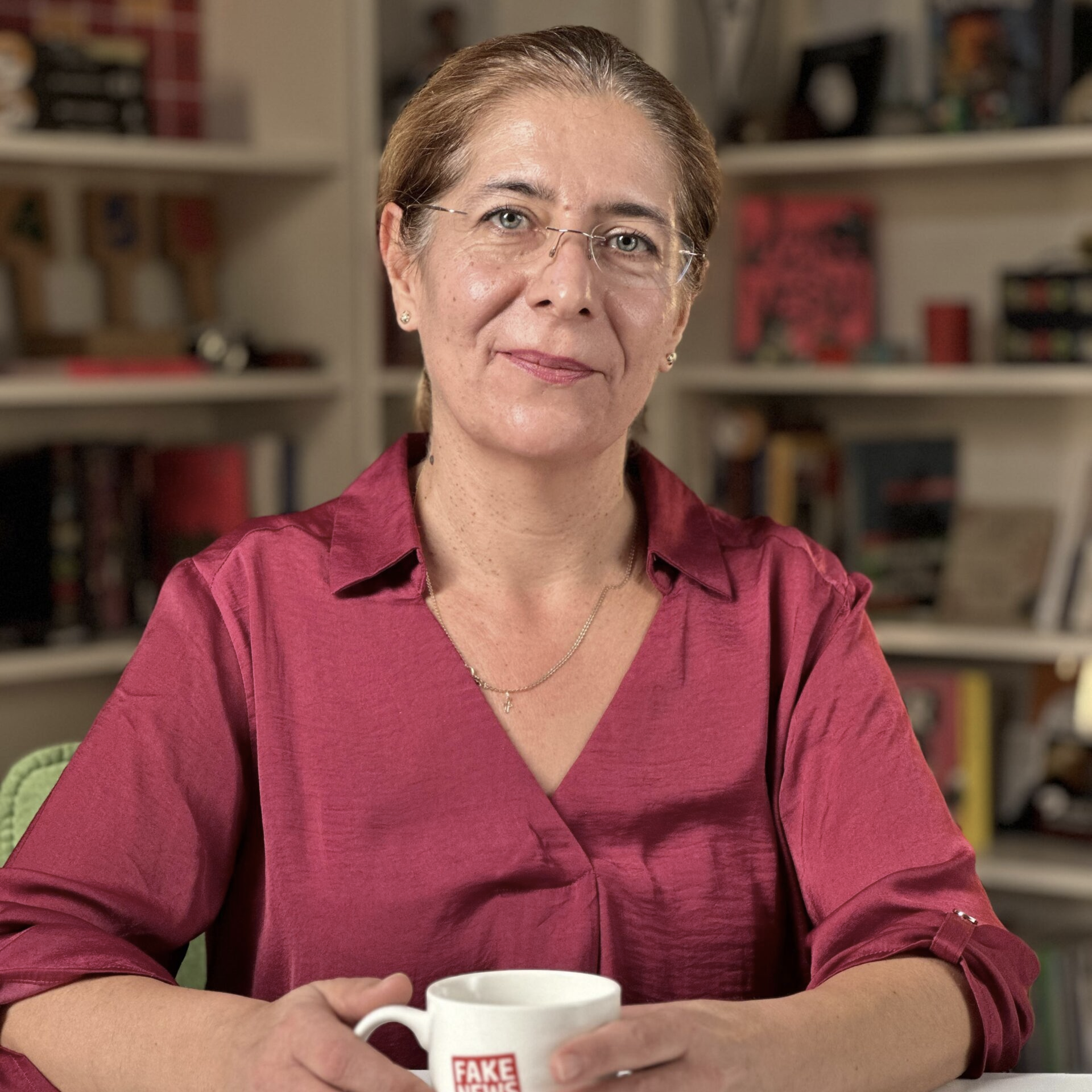
Stefan Janjić
assistant professor at the Department of Media Studies,Faculty of Philosophy, University of Novi Sad
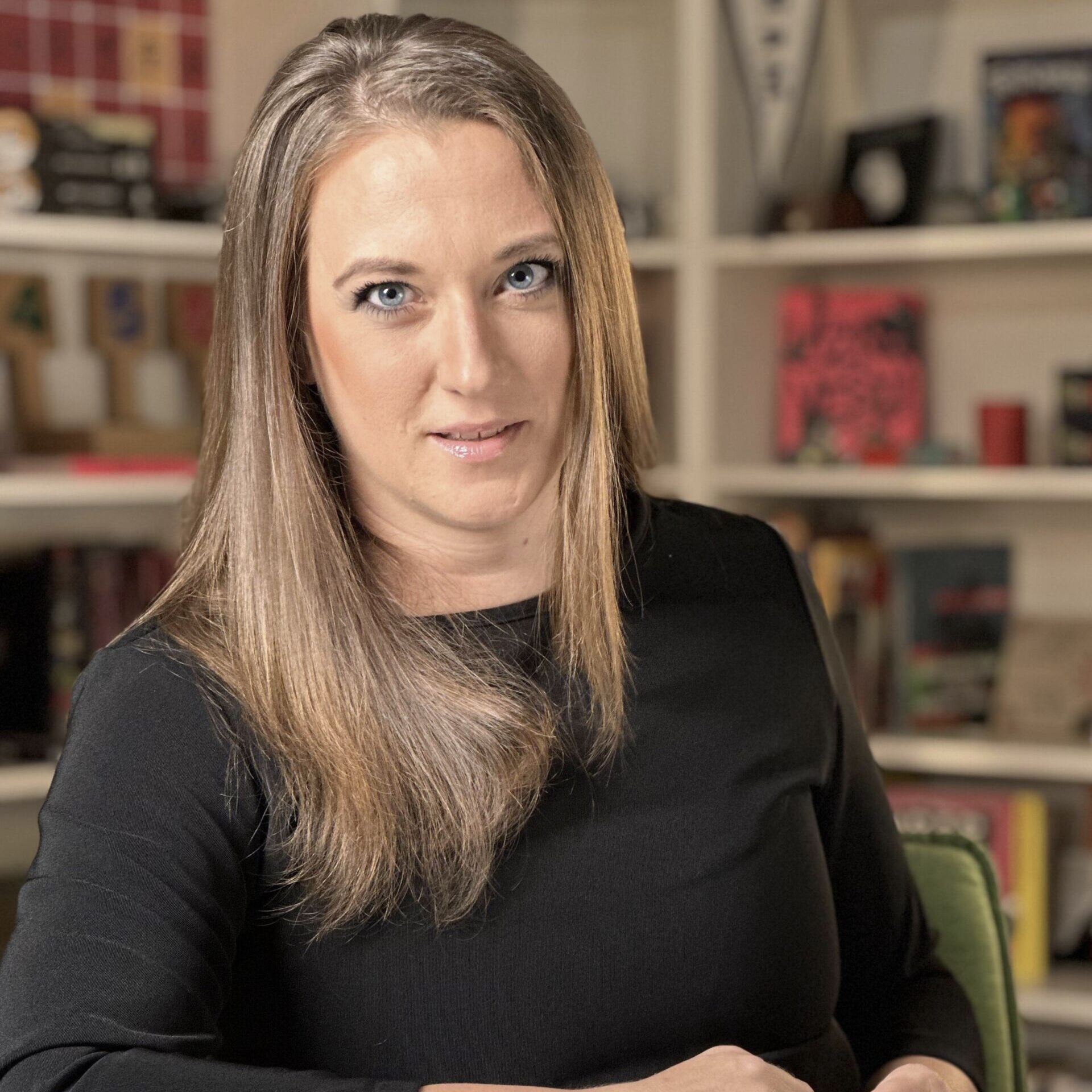
Snežana Đapić
project manager at the Bureau for Social Research (BIRODI)
Jelena Jovović
researcher at the Novi Sad School of Journalism
Milica Janjatović Jovanović
researcher at the Novi Sad School of Journalism
Marina Grnja Klaić
programme coordinator at the Novi Sad School of Journalism
Stefan Janjić is an assistant professor at the Department of Media Studies, Faculty of Philosophy, University of Novi Sad, where he completed his master’s studies in communication studies and interdisciplinary doctoral studies. He completed postdoctoral research at Loughborough University in the UK. He is a two-time recipient of the University’s Extraordinary Award for Scientific Work, the NDNV Annual Award for Media Professionalism, and the Dragan Janjić Award for Media Literacy.
Snežana Đapić is a project manager at the Bureau for Social Research — BIRODI, where she has been engaged since 2011. Previously, from 2003 to2009, she worked as a project manager at the ARGUMENT Research and Analytical Centre. She completed her studies in sociology at the Faculty of Philosophy in Belgrade. Since 2012, she has participated in projects involving thematic and election-related media monitoring. She is the coauthor of several research reports and publications.
Jelena Jovović is a researcher at the Novi Sad School of Journalism, where she has been engaged since 2011. She completed her undergraduate studies in psychology at the Faculty of Philosophy in Novi Sad, where she also completed her master’s studies in communication studies. Since 2018, she has been part of the editorial team of FakeNews Tragač, and for her research on pseudoscientific narratives she received the Dragan Janjić Award for Media Literacy.
Milica Janjatović Jovanović is a researcher at the Novi Sad School of Journalism, where she has been engaged since 2018 in media monitoring and media literacy programmes. She completed her undergraduate and master’s studies in philosophy at the Faculty of Philosophy in Novi Sad, where she is currently a PhD student. She is the author of a number of publications on media philosophy and media literacy. She has participated in the development of curricula for MIL programmes.
Marina Grnja Klaić is a programme coordinator at the Novi Sad School of Journalism, where she has been engaged since 2012. She completed her undergraduate studies in journalism at the Faculty of Philosophy in Novi Sad and her master’s studies in political science, in the programme Political Violence and the State, at the Faculty of Political Sciences in Belgrade. She is involved in the implementation of media literacy programmes in Serbia and the region, and has also participated in series of media monitoring projects focused on election campaigns in Serbia.

Naš tim

Stefan Janjić je docent na Odseku za medijske studije Filozofskogfakulteta u Novom Sadu, gde je završio master studije komunikologije iinterdisciplinarne doktorske studije. Završio je postdoktorske studije naUniverzitetu Lafboro u UK. Dvostruki je dobitnik Izuzetne agrade Univerziteta za naučni rad, nagrade „Biće i jezik“ Fondacije RadomirKonstantinović, Godišnje nagrade NDNV za medijski profesionalizam, kaoi nagrade „Dragan Janjić“ za medijsku pismenost.
Snežana Đapić je projektna menadžerka u Birou za društvena istraživanja(BIRODI), u kom je angažovana od 2011. godine. Prethodno je, u perioduod 2003. do 2009. bila zaposlena kao menadžerka projekata uIstraživačkom i analitičkom centru ARGUMENT. Završila je studijesociologije na Filozofskom fakultetu u Beogradu. Od 2012. godineučestvuje u projektima tematskih i izbornih monitoringa medija.Koautorka je više istraživačkih izveštaja i publikacija.
Jelena Jovović je istraživačica u Novosadskoj novinarskoj školi, gde jeangažovana od 2011. godine. Završila je osnovne studije psihologije naFilozofskom fakultetu u Novom Sadu, a na istom fakultetu završila je imaster studije Komunikologije. Od 2018. angažovana je u redakcijiFakeNews Tragača, a za svoje istraživanje pseudonaučnih narativa dobilaje nagradu „Dragan Janjić“ za medijsku pismenost. Autorka je velikogbroja publikacija iz oblasti medijskih studija.
Milica Janjatović Jovanović je istraživačica u Novosadskoj novinarskojškoli, gde je angažovana od 2018. godine na medijskim monitorinzima,kao i na programima medijske pismenosti. Završila je osnovne i masterstudije filozofije na Filozofskom fakultetu u Novom Sadu, gde je trenutnona doktorskim studijama. Autorka je niza publikacija o filozofiji medija imedijskoj pismenosti. Učestvovala je na razvijanju kurikuluma za MILprograme akreditovane kod ZUOV.
Marina Grnja Klaić je programska koordinatorka u Novosadskojnovinarskoj školi, gde je angažovana od 2012. godine. Završila je osnovnestudije žurnalistike na Filozofskom fakultetu u Novom Sadu i masterstudije politikologije, program Političko nasilje i država, na Fakultetupolitičkih nauka u Beogradu. Angažovana je u implementaciji programamedijske pismenosti u Srbiji i regionu, a učestvovala je i u serijalimamedijskih monitoringa predizbornih kampanja u Srbiji.

Contact

Get in touch via our contact form
or email us at example@email.com

    Services
    Analiza medijskih sadržaja
    Fact-checking analize
    Analiza medijske arhive
    Online ankete
    Fokus grupe
    Eye-tracking analize
    © 2026 Medijska forenzika
    crossmenuchevron-down